

DIGITAL NOMADS
Index

What are Digital Nomads?
The Digital nomads are people who use technologyThey use the Internet, such as laptops, smartphones and the Internet, to work remotely from anywhere in the world. They tend to travel frequently or live in different locations for long periods of time, rather than being tied to a fixed location.
The The term "digital nomad" has become increasingly popular in recent years due to the rise of telecommuting and the growing availability of technology. that allows you to work from anywhere. Digital nomads often work as freelancers, entrepreneurs or employees of remote companies.
Some of the advantages of being a nomad The digital economy is the possibility to travel and learn about new cultures, the flexibility to work from any location and the possibility to better reconcile work and family life.. However, being a digital nomad can also bring challenges, such as the need to constantly adapt to new environments, loneliness and the difficulty of maintaining a steady income.
Overall, the digital nomad lifestyle offers a unique opportunity to combine work and travel, but it requires careful planning, adaptability and a willingness to embrace change.
What are the advantages of being a Digital Nomad?
Being a digital nomad offers a number of advantages that can be very attractive to many people. Here are some of the main advantages of this lifestyle:
Geographic flexibilityThe ability to work from anywhere with an Internet connection allows you to explore the world and live in different places, broadening your cultural horizons and allowing you to experience different environments and lifestyles.
Freedom of schedulesYou can define your own working hours, allowing you to adapt your working day to your personal needs and preferences. This makes it easier to reconcile work and personal life.
Reduction of living costsBy choosing to live in places with a lower cost of living, you can save money on housing, food and other expenses, allowing you to spend less and/or invest in your priorities.
Cultural diversityWorking in different locations gives you the opportunity to interact with people from different cultures, learn new languages and broaden your cultural horizons, which can be an enriching experience.
Improved quality of lifeYou can look for places with a climate you like, recreational activities you enjoy and an environment that suits your personal preferences, which can improve your overall quality of life.

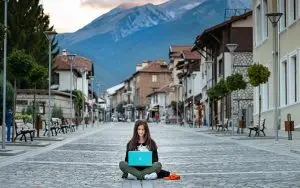

How many Digital Nomads are there worldwide?
According to the Inter-American Development Bank (IDB), there are more than 100 million digital nomads in the world, equivalent to approximately more than 2 % of the global working population, and it is estimated that the number will reach 1 billion by 2050.
Inter-American Development Bank
Why is being a Digital Nomad attractive to young people?
Learning opportunitiesExposure to new cultures and environments can broaden your perspectives and foster lifelong learning. In addition, you can learn valuable skills to adapt to different situations.
Autonomy and entrepreneurship: The digital nomad often has the freedom to choose projects and clients, which can promote entrepreneurship and independent career development.
Less travel stressBy eliminating the need to commute to work, you can reduce stress related to traffic, public transportation and long commutes.
Global connectionsYou can establish professional and personal relationships with people from all over the world, providing you with a global network that can be beneficial both at work and in everyday life.
Improved work-life balanceBy having control over your time and location, you can devote more time to activities and personal relationships that are important to you.
What is the profile of Digital Nomads?
Digital nomads come from a wide variety of backgrounds and have a diversity of professional profiles. However, some common traits and characteristics of digital nomads include:
Independent professionalsMany digital nomads are self-employed, freelancers or entrepreneurs. This gives them the flexibility to work from anywhere and take control of their career.
Knowledge workersMany digital nomads are in knowledge-related roles, such as programmers, graphic designers, writers, consultants, marketing professionals, translators and other fields where most of the work is done online.
Strong digital skillsDigital nomads typically have strong digital skills, as much of their work involves the use of online tools and technologies. This includes the ability to use productivity applications, online collaboration and effective digital communication.
AdaptabilityAdaptability is a key characteristic of digital nomads, as they must be willing to change locations and adapt to new circumstances, environments and cultures on a regular basis.
Independence and self-disciplineWorking remotely generally requires a high degree of self-discipline and the ability to manage time effectively. Digital nomads must be responsible for their own productivity.
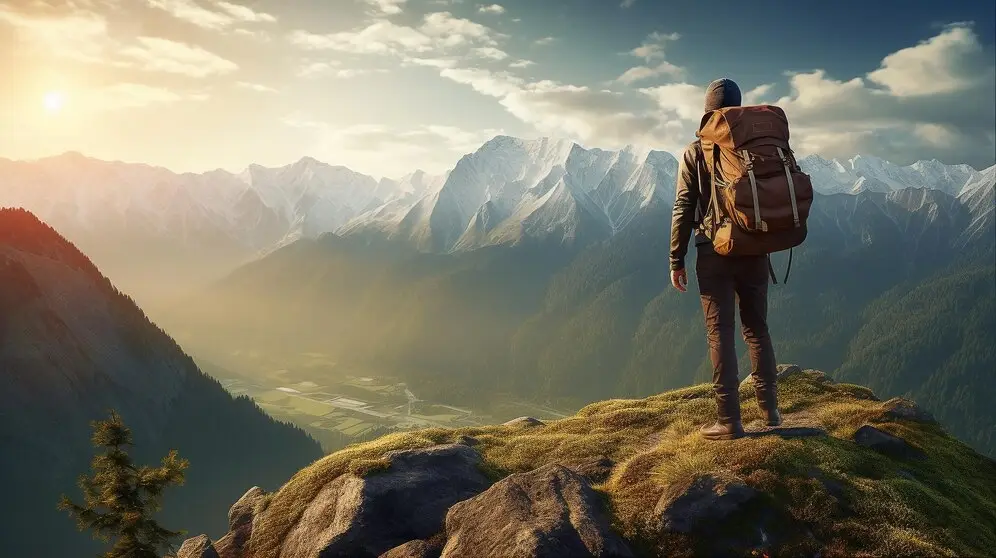

What other qualities do Digital Nomads have?
Passion for travel and exploration: Many digital nomads have a passion for traveling and exploring new places. This is often an important motivating factor for their lifestyle choice.
Reliable Internet connectionHigh-speed Internet connection is essential for digital nomads, so they tend to look for locations with reliable network access.
Digital awareness and securityDigital nomads are often conscious of online security and privacy as they work online and handle sensitive data. This includes the use of virtual private networks (VPNs) and cyber security practices.
Cross-cultural skillsBy living and working in different locations, digital nomads often develop cross-cultural skills, such as the ability to adapt to different cultural norms and learn to communicate in different languages.
Open mind and mental flexibilityOpen-mindedness and flexibility are crucial to meet the challenges that may arise from living and working in different places and adapting to different ways of life.
It is important to note that there is no single digital nomad profile, as this lifestyle is diverse and can attract people of different ages, backgrounds and career paths. What unites digital nomads is their desire for geographic freedom and their ability to work remotely using digital technology.

Challenges faced by Digital Nomads

Despite the many advantages of being a digital nomad, this lifestyle also presents particular challenges. Some of the most common challenges faced by digital nomads include:
Social isolationWorking remotely and changing locations frequently can lead to social isolation. Lack of colleagues and connections in the workplace can affect mental health and sense of belonging.
Time management and discipline: Time management and self-discipline are essential to maintaining productivity. Without a traditional office structure, some digital nomads struggle to set schedules and avoid distractions.
Remote communication and collaborationRemote communication may be less effective than face-to-face interactions. Project coordination and team collaboration may require additional efforts.
Online security and privacyDigital nomads need to be aware of online security and protect their data and communications. The use of public Wi-Fi networks and exposure to potential cyber-attacks are common concerns.
Variable working conditionsWorking conditions, such as the quality of the Internet connection, the comfort of the workspace and the noise level, can vary significantly in different locations. This can affect productivity and well-being.
Logistics and travel arrangementsTravel planning, finding accommodation, dealing with visas and coordinating travel can be complicated and time-consuming.
Legal and tax issues: Tax and legal regulations vary from country to country, which can complicate revenue management and tax compliance.
Health problems and health insurance: Maintaining adequate health insurance and managing health issues in different countries can be a challenge. Digital nomads must be prepared for medical emergencies abroad.
Disconnection from work: It can be difficult to disconnect from work when the line between work and personal life is blurred. Professional burnout and lack of boundaries can be problems.
Financial uncertaintyThe variable nature of self-employment and lack of job security can generate financial uncertainty.
Difficulties in the development of long-term relationshipsNomadic life can make it difficult to develop long-term relationships, as it can be difficult to establish roots in a specific place.
Legal and cultural difficultiesIn some countries, digital nomads may face legal challenges related to employment and residency. They must also adapt to different cultures and social norms in each destination.
Despite these challenges, many digital nomads find ways to overcome them and enjoy an enriching and rewarding lifestyle. The key is planning, adaptability and finding solutions to address these challenges effectively.
61% of digital nomads work from a home office
15% of nomads choose coworking spaces more often
Conclusion on digital nomads
Ultimately, digital nomads represent an example of how technology and globalization are transforming the way we work and live. This lifestyle can be highly rewarding for those who are drawn to it and are willing to approach their challenges with a positive approach and effective solutions. As with any lifestyle choice, it is important to carefully consider your own goals, needs and preferences before embarking on the life of a digital nomad.

Telework

Partners of DIGITAL WORKERS


DIGITAL WORKERS 2023
 English
  Español